In the heart of Southeast Asia lies Jakarta, a sprawling metropolis where the relentless pulse of urban life meets the suffocating grip of gridlock. The city breathes in a rhythm dictated by its traffic, a chaotic symphony of honking horns, revving engines, and the collective sigh of millions on the move. To navigate Jakarta is to understand a paradox: a place of immense energy and frustrating stagnation, where the very congestion that defines its streets also fuels its undeniable vitality.
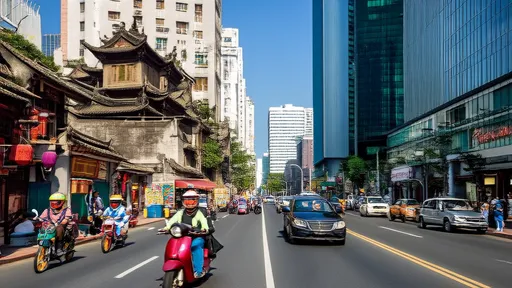
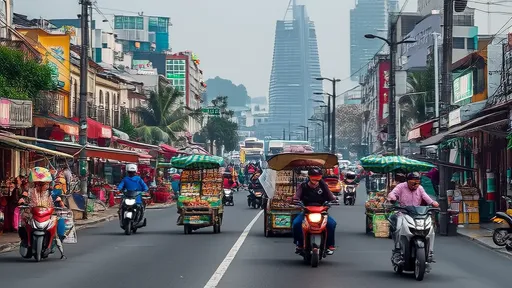
From the pre-dawn hours, the arteries of the city begin to clog. The hum of motorcycles swells into a roar, a sea of helmets weaving through gaps that seem to defy physics. Family cars, packed buses, and the occasional luxury vehicle merge into a slow-moving metal river. This is the daily pilgrimage for Jakartans, a commute that can devour hours, testing patience and resilience. The traffic is not merely an inconvenience; it is a central character in the city's narrative, a force that shapes schedules, economies, and social interactions.
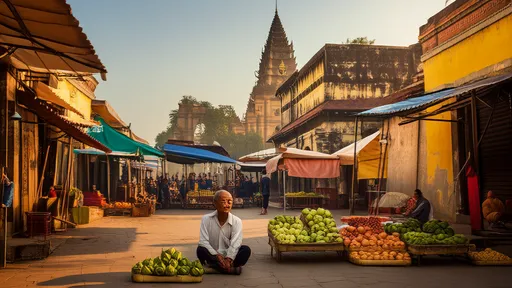
Yet, within this congestion, a unique ecosystem thrives. Street vendors materialize between lanes during standstills, offering everything from chilled bottled water and newspapers to full meals of nasi bungkus. Motorbike taxis, the agile ojek, dart through the immobilized chaos, their drivers possessing an almost mystical knowledge of back alleys and shortcuts. For a fee, they offer a faster, though far more perilous, passage. The traffic jam becomes a temporary marketplace, a social leveler where the CEO in their air-conditioned sedan and the delivery driver on their scooter share the same stifling air and frustrating delay.
This constant motion, however stalled, powers the city's economic heart. Jakarta is the undeniable financial and commercial hub of Indonesia, drawing in ambition from across the archipelago. The skyscrapers of the Golden Triangle in Central Jakarta scrape the sky, housing multinational corporations and gleaming shopping malls that offer a sanitized escape from the streets below. The pursuit of opportunity is the engine that keeps people enduring the commute, a testament to the powerful magnetic pull of the city. The congestion is, in a perverse way, a symptom of its success and its drawing power.
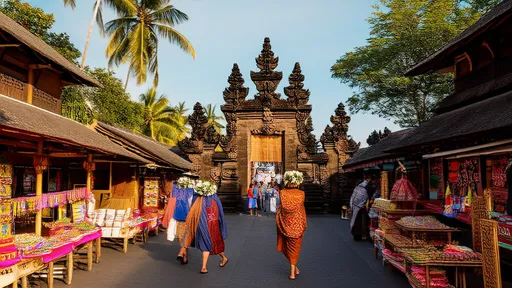
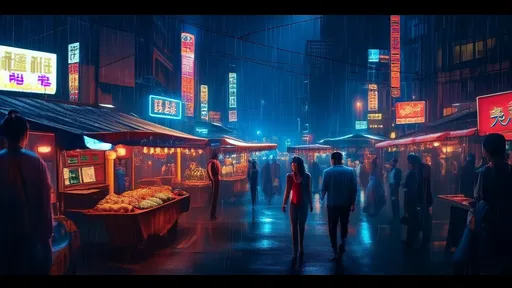
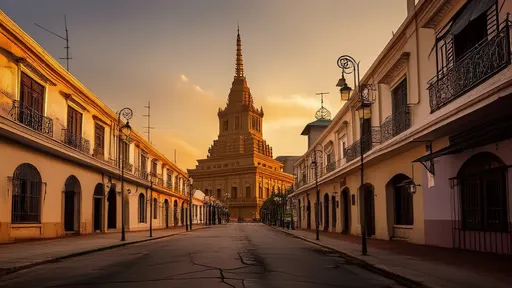
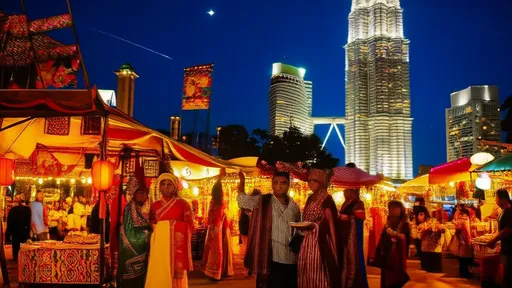
Beneath the surface of the traffic-clogged streets runs a different kind of current—the relentless flow of people and ideas. Jakarta is a melting pot of cultures, a place where traditional Betawi influences blend with modern global trends. In neighborhoods like Menteng and Kemang, trendy cafes and art galleries buzz with creative energy, while in older districts such as Kota Tua, the colonial-era buildings stand as quiet, decaying witnesses to a bygone era. The city's cultural vitality is palpable, expressed in its diverse culinary scene, from humble street-side warungs serving fiery sambal to high-end restaurants redefining Indonesian cuisine.
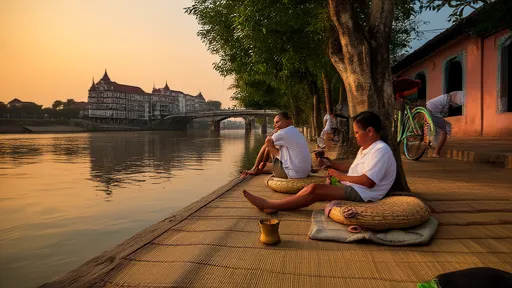
The human spirit in Jakarta is one of remarkable adaptation and resilience. Communities form in the most unlikely places, finding ways to connect and build lives amidst the urban frenzy. Rukun warga (community associations) foster a sense of local belonging, organizing events and providing support networks that counteract the anonymity of a megacity. This community fabric, often strongest in the densely packed kampung neighborhoods that nestle between skyscrapers, provides a crucial anchor for many residents, a place of familiar faces and shared identity.
However, the price of this vibrancy is steep. The environmental toll is visible in the hazy skyline and felt in the humid air. The endless combustion of fossil fuels from vehicles contributes significantly to air pollution, a constant health concern for residents. The city also battles with seasonal flooding, its infrastructure often overwhelmed by torrential rains and land subsidence. These challenges present a constant threat to the city's momentum, a reminder of the fragile balance between urban growth and sustainability.
Looking toward the future, Jakarta stands at a crossroads. Ambitious infrastructure projects, most notably the long-awaited mass rapid transit (MRT) system, promise a new chapter. The sight of the modern trains gliding on elevated tracks above the stagnant traffic offers a glimpse of a potential future, a dream of efficiency and modern order. Yet, the city's character is so deeply intertwined with its chaotic energy that one wonders what might be lost in the quest for smoother transit. Can the vibrant, ad-hoc economy of the traffic jam survive the arrival of streamlined public transport?
To journey through Jakarta is to experience a city of profound contrasts. It is a place of stifling gridlock and exhilarating freedom, of gleaming wealth and palpable struggle, of daunting challenges and unwavering hope. The congestion is not just a barrier to be overcome; it is the stage upon which the daily drama of the city unfolds. It forces interaction, fosters improvisation, and creates a shared experience for all who call this immense city home. The vitality of Jakarta doesn't exist in spite of the congestion; it is born from it, a relentless, messy, and utterly captivating energy that defines Southeast Asia's largest urban jungle.
By /Sep 3, 2025
By /Sep 3, 2025
By /Sep 3, 2025
By /Sep 3, 2025
By /Sep 3, 2025
By /Sep 3, 2025
By /Sep 3, 2025
By /Sep 3, 2025
By /Sep 3, 2025
By /Sep 3, 2025
By /Sep 3, 2025
By /Sep 3, 2025
By /Sep 3, 2025
By /Sep 3, 2025

By /Sep 3, 2025
By /Sep 3, 2025
By /Sep 3, 2025

By /Sep 3, 2025
By /Sep 3, 2025
By /Sep 3, 2025
