Nestled just a few hours’ drive northeast of Bangkok’s bustling streets lies Khao Yai National Park, a sprawling sanctuary where wilderness thrives in dramatic contrast to the urban energy of Thailand’s capital. Often referred to as Bangkok’s backyard jungle, this UNESCO World Heritage Site offers a breathtaking escape into one of Southeast Asia’s most cherished natural landscapes. It is a place where the morning mist clings to ancient trees, the calls of gibbons echo through dense canopies, and the possibility of an encounter with wild elephants adds a palpable thrill to every trail.
Established in 1962 as Thailand’s first national park, Khao Yai spans over 2,000 square kilometers across parts of four provinces. Its terrain is wonderfully diverse, ranging from lush rainforests and grassy savannas to rolling hills and dramatic waterfalls that cascade down mossy cliffs. The park forms a significant part of the Dong Phayayen-Khao Yai Forest Complex, a vital conservation corridor that supports an incredible array of biodiversity. For city dwellers and international travelers alike, it serves as an accessible portal into the wild heart of Thailand, a realm where nature dictates the rhythm of life.
The journey from Bangkok to Khao Yai is itself a transition from chaos to calm. As the skyline fades in the rearview mirror, the landscape gradually transforms into a patchwork of rural farms and local villages, eventually giving way to the forested mountains of the park’s periphery. Many visitors base themselves in the charming town of Pak Chong, just outside the park gates, before venturing inward at dawn—the ideal time to witness the forest awakening.
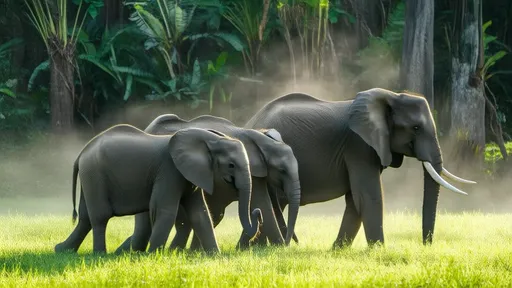
One of the most compelling reasons to visit Khao Yai is the chance to observe its wildlife in their natural habitat. The park is home to an estimated 300 Asian elephants, which roam freely across its vast expanse. Spotting these majestic creatures—whether bathing in a watering hole, crossing a road, or foraging along forest edges—is an experience that remains etched in memory long after the visit. While elephant sightings are never guaranteed, certain areas like the salt licks and open grasslands near Nong Pak Chi Tower offer higher probabilities, especially in the early mornings or late afternoons.
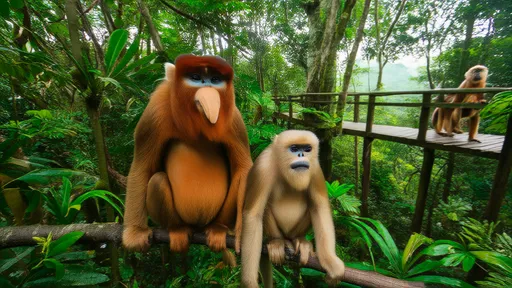
But the pachyderms are only the beginning. Khao Yai teems with life at every level. Sambar deer and barking deer graze timidly in meadows, while wild pigs root through the underbrush with determined snuffles. Gibbons—both white-handed and pileated—swing through the treetops, their haunting, melodic calls providing a surreal soundtrack to jungle hikes. Macaques and languors are also common, often seen near roadsides or visitor areas, though it’s essential to admire them from a distance and avoid feeding them.
More elusive are the park’s predators, including leopards, dholes (Asian wild dogs), and bears, which tend to avoid human contact but play critical roles in maintaining ecological balance. Birdwatchers flock to Khao Yai with binoculars and long lenses, hoping to glimpse some of the 320+ recorded species. From the great hornbill with its imposing stature and resonant wingbeats to the brilliantly colored coral-billed ground cuckoo and myriad kingfishers, barbets, and woodpeckers, the avian population here is both diverse and dazzling.
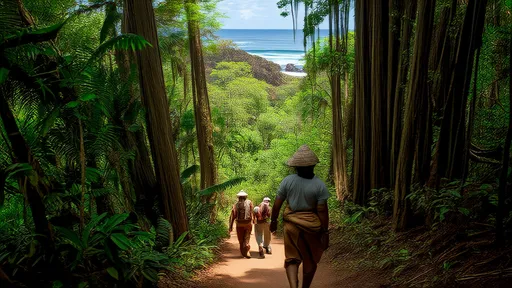
Exploring Khao Yai’s trail network is the best way to immerse oneself in its natural wonders. Trails range from gentle walks to challenging multi-day treks, each offering unique vistas and opportunities for wildlife encounters. Haew Suwat Waterfall, one of the park’s most iconic landmarks, gained international fame after appearing in the film The Beach. Its powerful plunge into a crystal-clear pool below is a refreshing reward after a hike. Another notable site is Haew Narok, a three-tiered cascade that thunders dramatically during the rainy season.
Guided night safaris, offered by the park authorities, provide a completely different perspective on Khao Yai’s ecosystem. As darkness falls, the forest comes alive with nocturnal creatures: civets, porcupines, slow lorises, owls, and countless insects. The beam of a spotlight cutting through the blackness often reveals glowing eyes or shadowy movements, reminding visitors that the wilderness never sleeps.
While the raw beauty of Khao Yai is undeniable, it is not without its challenges. The climate can be humid and unpredictable, with sudden tropical downpours even during the dry season. Leeches are a common nuisance on trails, especially after rain, so wearing leech socks or treating clothing with repellent is advisable. It’s also crucial to remember that this is a true wilderness—maintaining a safe distance from animals, staying on marked paths, and hiring local guides for longer hikes are non-negotiable practices for both personal safety and environmental respect.
Conservation efforts within Khao Yai are ongoing and critical. Despite its protected status, the park faces threats from illegal poaching, habitat fragmentation, and human-wildlife conflict along its boundaries. Organizations and park rangers work tirelessly to monitor species, restore ecosystems, and engage neighboring communities in sustainable practices. Visitors contribute to these efforts through entrance fees and by adhering to responsible tourism guidelines—such as avoiding plastic waste, not disturbing wildlife, and supporting local businesses.
For those accustomed to the relentless pace of Bangkok, a trip to Khao Yai is more than a scenic getaway; it is a profound reminder of Thailand’s natural heritage. The park embodies a delicate balance between accessibility and preservation, allowing people to witness wilderness without overly taming it. Whether you spend your days trekking to waterfalls, scanning treetops for gibbons, or simply breathing in the crisp, clean air from a viewpoint overlooking the forest, Khao Yai leaves an indelible impression.
In a world where wild spaces are increasingly rare and fragile, Khao Yai National Park stands as a testament to nature’s resilience and beauty. It is a sanctuary where elephants still wander, hornbills still soar, and the jungle hums with life—a precious backyard wilderness waiting just beyond the city’s edge.

By /Sep 3, 2025
By /Sep 3, 2025

By /Sep 3, 2025
By /Sep 3, 2025
By /Sep 3, 2025
By /Sep 3, 2025
By /Sep 3, 2025
By /Sep 3, 2025
By /Sep 3, 2025
By /Sep 3, 2025
By /Sep 3, 2025
By /Sep 3, 2025
By /Sep 3, 2025

By /Sep 3, 2025

By /Sep 3, 2025

By /Sep 3, 2025

By /Sep 3, 2025
By /Sep 3, 2025
By /Sep 3, 2025
By /Sep 3, 2025
