In the heart of Southeast Asia, Vietnam pulses with a rhythm split between two urban giants: Hanoi in the north and Ho Chi Minh City in the south. These cities, both vibrant and steeped in history, represent more than just geographical capitals; they embody a profound cultural and ideological duality that continues to shape the nation’s identity. The narrative of their rivalry is not merely about urban competition but a deeper, more resonant story of Vietnam’s soul, caught between tradition and transformation, past and future.
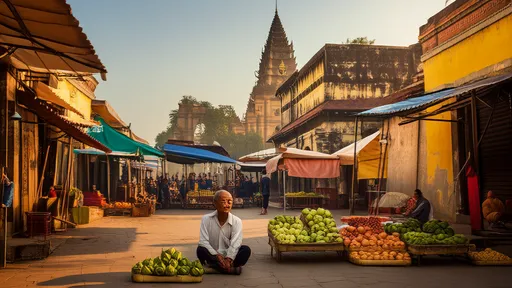
Hanoi, the ancient capital, stands as a guardian of Vietnam’s millennia-old heritage. Its tree-lined boulevards, colonial architecture, and serene lakes whisper tales of dynasties, resistance, and intellectual pursuit. Here, the pace of life feels deliberate, almost meditative, as if the city is in constant dialogue with its history. The Old Quarter, with its labyrinthine streets named after traditional crafts, offers a glimpse into a world where commerce and culture have intertwined for centuries. Hanoi is where one finds the soul of Confucian values—respect for hierarchy, education, and social harmony—etched into every corner, from the hallowed grounds of the Temple of Literature to the solemnity of Ho Chi Minh’s Mausoleum.
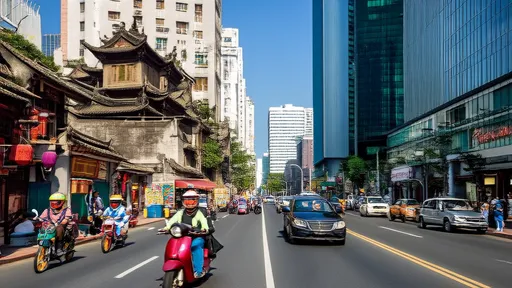
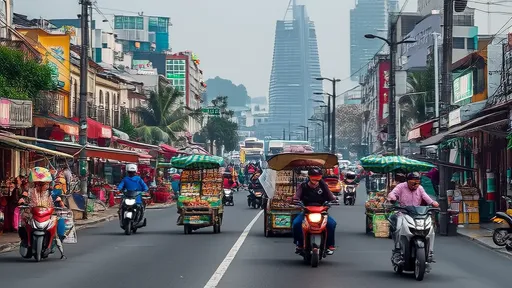
In stark contrast, Ho Chi Minh City (formerly Saigon) bursts with an unapologetic energy that mirrors its role as Vietnam’s economic engine. A metropolis of soaring skyscrapers, bustling markets, and relentless innovation, it is a city that looks forward, often leaving the past in its rearview mirror. The chaos of its streets, filled with a symphony of motorbikes and street vendors, embodies a spirit of entrepreneurship and adaptability. Here, the influence of centuries of trade and foreign interaction—from Chinese merchants to French colonizers and American soldiers—has forged a culture that is open, dynamic, and fiercely pragmatic. Saigon is the embodiment of capitalist ambition, where dreams are built on hustle and opportunity.
The divergence between these two cities is rooted in historical currents that have shaped Vietnam’s north-south divide for generations. Hanoi, as the seat of imperial power and later the capital of communist North Vietnam, has long been associated with authority, tradition, and revolutionary fervor. It was from here that leaders orchestrated the resistance against foreign domination, cultivating a narrative of resilience and collective struggle. This history has imbued the city with a sense of gravitas and political significance, making it the symbolic heart of Vietnamese sovereignty and cultural purity.
Meanwhile, Ho Chi Minh City’s identity is inextricably linked to its history as Saigon, the capital of South Vietnam and a melting pot of cultural influences. Its role as a commercial hub during the French colonial era and the Vietnam War exposed it to global currents, fostering a more cosmopolitan and liberal outlook. The fall of Saigon in 1975 marked not an end but a transformation, as the city rapidly adapted to new economic policies in the Đổi Mới era, emerging as a powerhouse of trade and innovation. This legacy of adaptation and openness continues to define its character, making it a magnet for migrants seeking prosperity and freedom.
Culturally, the two cities offer contrasting expressions of Vietnamese identity. Hanoi’s artistic and intellectual life is often deeply traditional, emphasizing classical music, literature, and theater that celebrate national heritage. Its culinary scene, too, reflects this adherence to tradition, with dishes like phở and bún chả prepared according to time-honored recipes that prioritize subtlety and balance. The city’s social fabric is woven with a formality and reserve that can be traced back to Confucian ideals, where family, education, and social status hold paramount importance.
Ho Chi Minh City, by comparison, thrives on cultural fusion and experimentation. Its arts scene is eclectic, blending traditional forms with contemporary influences from across the globe. Street food here is not just sustenance but a vibrant expression of creativity, with flavors that are bold, sweet, and unafraid to incorporate foreign ingredients. The social atmosphere is markedly more relaxed and outgoing, reflecting a southern ethos that values individuality and spontaneity. In Saigon, the concept of "văn minh" (civilization) is often associated with modernity and progress, rather than adherence to ancient customs.
Economically, the competition between Hanoi and Ho Chi Minh City is a driving force in Vietnam’s development. Hanoi, as the political and administrative center, attracts state investment, diplomatic missions, and cultural institutions. It is a city of bureaucrats, scholars, and diplomats, where decision-making is often cautious and methodical. Ho Chi Minh City, on the other hand, is the nation’s economic locomotive, accounting for a significant portion of Vietnam’s GDP. Its economy is driven by private enterprise, foreign investment, and a relentless spirit of innovation, making it the preferred destination for startups and multinational corporations alike.
This economic dichotomy reflects broader tensions within Vietnam’s development model. Hanoi’s approach is often characterized by top-down planning and a emphasis on stability, while Ho Chi Minh City champions bottom-up growth and risk-taking. Yet, rather than viewing this as a simple rivalry, it might be more accurate to see it as a symbiotic relationship. Hanoi provides the political and cultural anchor that ensures continuity and national unity, while Ho Chi Minh City acts as the engine of growth, pushing the boundaries of what is possible in a rapidly changing world.
The future of Vietnam may well depend on how these two cities navigate their differences and learn from each other. Hanoi could benefit from embracing some of Saigon’s entrepreneurial zeal and openness to change, while Ho Chi Minh City might draw wisdom from the north’s deep respect for tradition and stability. Already, there are signs of convergence: Hanoi is gradually modernizing its infrastructure and embracing economic reforms, while Ho Chi Minh City is investing in cultural institutions and green spaces to enhance its quality of life.
Ultimately, the north-south divide is not a battle for Vietnam’s soul but a dialogue that enriches it. Hanoi and Ho Chi Minh City, in all their contrasts, represent the dualities that define the nation: between past and future, tradition and innovation, collective memory and individual aspiration. Together, they form a complex, dynamic whole—a testament to Vietnam’s resilience and its ability to hold multiple truths at once. In this ongoing conversation, the soul of Vietnam is not divided but deepened, reflecting a nation forever evolving yet eternally rooted in its storied history.
By /Sep 3, 2025
By /Sep 3, 2025

By /Sep 3, 2025
By /Sep 3, 2025
By /Sep 3, 2025
By /Sep 3, 2025
By /Sep 3, 2025
By /Sep 3, 2025
By /Sep 3, 2025
By /Sep 3, 2025
By /Sep 3, 2025

By /Sep 3, 2025

By /Sep 3, 2025

By /Sep 3, 2025

By /Sep 3, 2025

By /Sep 3, 2025

By /Sep 3, 2025

By /Sep 3, 2025

By /Sep 3, 2025

By /Sep 3, 2025
