The Wrinkles of Pugs: Aesthetic Preferences at the Expense of Health

Aug 20, 2025 By

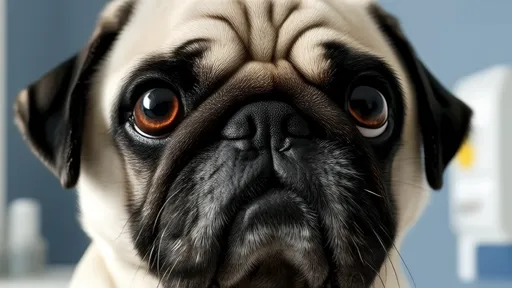
The Pug, with its soulful eyes and deeply wrinkled brow, has long held a place in the hearts of dog lovers. Its visage is one of perpetual concern, a comical and endearing mask that has been celebrated in art, film, and advertising for centuries. This distinct appearance, however, is not a benign quirk of nature but the direct result of intense selective breeding. The very wrinkles that define the breed's charm are, in a cruel twist, a significant source of discomfort and a gateway to a host of serious health problems. The story of the Pug's skin is a powerful case study in how human aesthetic preferences can inadvertently engineer suffering into a living creature.

The origin of these characteristic folds lies in a genetic condition known as dermatological excess. Breeders have, over countless generations, selectively chosen dogs with the most pronounced facial wrinkles to produce offspring that exaggerate this trait. The skin of a Pug produces far more cells than it needs, resulting in heavy, overlapping folds, particularly around the face, head, and neck. While this gives them their unique "puggy" expression, it creates a dark, damp, and poorly ventilated environment between the folds of skin. This microenvironment is a perfect breeding ground for yeast and bacteria, which are naturally present on the skin but are kept in check by exposure to air and light.

Consequently, one of the most common and persistent ailments afflicting the breed is skin fold dermatitis, also known as pyoderma. This is a painful inflammatory infection of the skin within the folds. Owners often first notice a foul, musty odor emanating from their dog, a tell-tale sign of microbial overgrowth. This is followed by redness, itching, and soreness. The dog may rub its face against furniture or scratch incessantly, providing only momentary relief while often exacerbating the inflammation and potentially causing breaks in the skin that lead to secondary infections. Managing this condition is a lifelong commitment, requiring owners to perform daily or weekly cleaning rituals. This involves meticulously separating the folds and wiping them clean with medicated wipes or solutions to remove moisture, food particles, and biological debris. For many Pugs, this is not enough to prevent recurrent flare-ups, necessitating regular courses of antibiotics or antifungal medications, which carry their own risks of side effects and can contribute to the growing problem of antimicrobial resistance.

The problems extend far beyond superficial skin infections. The pursuit of an extremely flat face, a feature intrinsically linked to the wrinkled brow, has led to the condition known as Brachycephalic Obstructive Airway Syndrome (BOAS). Pugs have been bred to have shortened skull bones, but the soft tissue inside—the palate, tongue, and throat—has not been correspondingly reduced. This results in a crowded airway, making every breath a struggle. The wrinkles on their nose and face can further obstruct the narrow nasal openings. The effort required simply to breathe normal air is immense, placing constant strain on their cardiovascular system. They snore, snort, and gag loudly even while resting, and are highly susceptible to overheating, as they cannot pant effectively to regulate their body temperature. A short walk on a mildly warm day can become a life-threatening event. The chronic lack of oxygen can lead to sleep apnea and contributes to a state of constant, low-grade stress on their organs.

Perhaps the most heartbreaking connection is between the facial structure and ocular health. The extreme folds of skin on a Pug's forehead push downward, and the shallow eye sockets, another feature of the brachycephalic skull, allow the eyes to protrude. This dangerous combination makes the cornea vulnerable to injury from everyday objects like a twig or a sharp corner of a table. More insidiously, the hair from the nasal fold can constantly rub against the surface of the eye, a condition called entropion or trichiasis. This relentless abrasion causes ulcerations, chronic pain, and can lead to scarring or even perforation of the eye, resulting in blindness if not surgically corrected. Many Pugs require multiple surgeries throughout their lives to shorten their palates, widen their nostrils, or remove excess skin folds that threaten their vision and breathing.

The ethical implications of perpetuating this breed standard are profound. Kennel clubs and breed associations worldwide continue to promote an idealized image of the Pug that is synonymous with these extreme features. Show rings often reward the dogs with the deepest wrinkles and flattest faces, sending a clear message to breeders about which traits are valued. This creates a cycle of demand and supply where the health of the animal is a secondary consideration to its conformity to a written standard. Veterinarians and animal welfare organizations have become increasingly vocal, labeling the breeding of such extreme conformations as a form of institutionalized cruelty. They argue that the breed standard itself requires redefinition to prioritize health and function over form, moving towards a "moderate" type with a longer muzzle, less skin excess, and a functional airway.

For the prospective owner smitten by the Pug's charming appearance, the responsibility is significant. Owning one of these dogs is not like owning other, more anatomically typical breeds. It is a commitment to being a full-time nurse. It requires financial preparedness for inevitable veterinary bills, and the emotional fortitude to handle a pet that may never know a day of truly easy breathing. The choice of a breeder is paramount; ethical breeders are those who prioritize health testing and aim for a more moderate, healthier build, even if it means their dogs may not win top prizes in a conformation show. The most ethical choice of all for some may be to decide that loving a breed sometimes means not supporting its continued existence in its current painful form, and to instead opt for a rescue or a different breed altogether.

The deep wrinkles of a Pug are a monument to human desire, etched in living flesh. They represent a history of aesthetic choices that have prioritized a very specific look over fundamental well-being. Each fold tells a story not of natural evolution, but of deliberate design—a design that the dog itself must bear the cost of every single day. As society's understanding of animal welfare evolves, the future of the Pog, and breeds like it, hinges on a difficult but necessary conversation. It is a conversation about whether our appreciation for a certain look justifies the lifetime of medical challenges we have engineered. The challenge is to find a new form of beauty, one defined not by exaggeration, but by health, vitality, and the promise of a life free from preventable suffering.
Recommend Posts
Pet

The Importance of Hip Dysplasia Screening in German Shepherds

By /Aug 20, 2025

The German Shepherd stands as one of the most recognizable and versatile dog breeds in the world, celebrated for its intelligence, loyalty, and formidable working capabilities. From police and military service to search-and-rescue operations and devoted companionship, this breed's contributions are immeasurable. However, beneath this facade of strength and resilience lies a pervasive and potentially devastating genetic threat: Hip Dysplasia (HD). This degenerative condition, a malformation of the hip joint, is the specter that haunts the breed, capable of cutting short a brilliant working career and inflicting a lifetime of pain on a beloved pet. The importance of systematic, rigorous screening for HD cannot be overstated; it is the single most critical tool in the collective effort to safeguard the future health and functionality of the German Shepherd breed.
Pet

Inflammation Prone to Cocker Spaniels Due to Ear Structure and Cleaning Frequency"

By /Aug 20, 2025

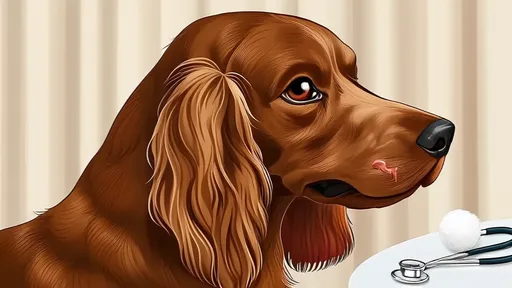
Among the many charming features of the Cocker Spaniel, those long, luxurious ears are perhaps the most iconic. They frame the face with soft, flowing feathering, giving the breed its characteristically gentle and melancholic expression. However, this very anatomy, so central to the breed's appeal, is also the source of a significant and recurring health challenge. The unique structure of the Cocker Spaniel's ear creates a dark, warm, and humid environment that is, unfortunately, a perfect breeding ground for bacteria and yeast. For any owner of this affectionate breed, understanding this predisposition and implementing a rigorous, informed cleaning regimen is not a matter of optional grooming but a fundamental pillar of responsible pet care and canine well-being.
Pet

High Cancer Incidence in Bernese Mountain Dogs and Early Detection

By /Aug 20, 2025

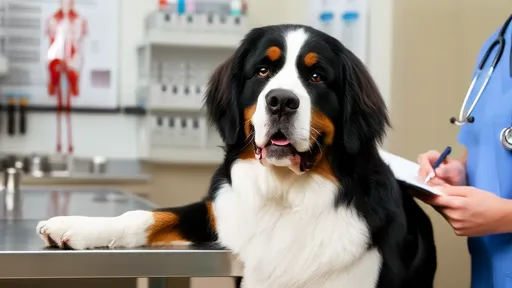
Bernese Mountain Dogs, with their striking tricolor coats and gentle demeanor, have long captured the hearts of dog lovers worldwide. These gentle giants are known for their loyalty, intelligence, and calm temperament, making them excellent family companions. However, beneath this idyllic exterior lies a sobering reality that every prospective and current owner must confront: the breed's devastatingly high predisposition to cancer. This isn't a minor health concern; it is the single greatest threat to the longevity and quality of life for these magnificent animals.
Pet

High Incidence of Diabetes in Burmese Cats and Prevention

By /Aug 20, 2025

Burmese cats, with their striking golden eyes and sleek sable coats, are cherished companions known for their dog-like loyalty and playful, people-oriented nature. However, beneath this beautiful exterior lies a troubling genetic predisposition that every owner and potential adopter must be acutely aware of: a significantly elevated risk for developing diabetes mellitus. This isn't a minor health footnote; it is a central concern in Burmese feline medicine, representing a serious, chronic, and potentially life-altering condition that demands proactive understanding and management.
Pet

Scientific Explanation of Osteochondritis Dissecans in Scottish Fold Cats

By /Aug 20, 2025

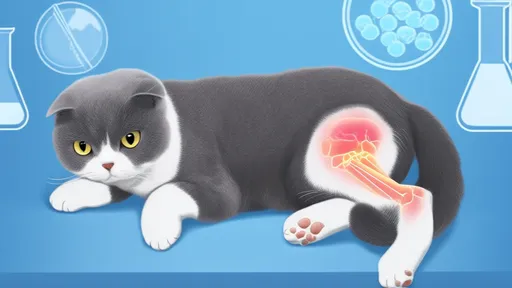
Scottish Fold cats are beloved for their distinctive folded ears, a trait that gives them an endearing, owl-like appearance. This unique feature, however, comes with a profound and often heartbreaking genetic cost. The very gene responsible for the charming fold is also the cause of a debilitating and painful lifelong condition known as Osteochondrodysplasia, often abbreviated as OCD. This is not a minor ailment but a fundamental disorder of the development of bone and cartilage that affects the cat's entire skeletal system, leading to a lifetime of potential suffering.
Pet

Genetic Heart and Nervous System Disorders in Doberman Pinschers

By /Aug 20, 2025

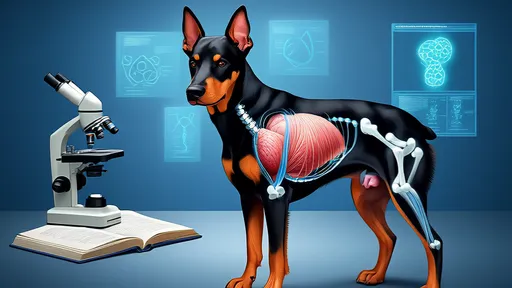
Doberman Pinschers, with their sleek coats, athletic builds, and unwavering loyalty, have long been celebrated as one of the most intelligent and capable working breeds. Their presence commands respect, and their history is deeply intertwined with roles of protection and service. However, beneath this formidable exterior lies a genetic vulnerability that has become a significant concern for breeders, veterinarians, and owners alike. The breed is disproportionately afflicted by a suite of serious, and often fatal, hereditary conditions, primarily targeting two of the most critical systems in the body: the heart and the nervous system. These are not mere quirks of the breed but profound health challenges that shape the lives of these dogs and the people who care for them.
Pet

Common Heart Issues (MVD) in Cavalier King Charles Spaniels

By /Aug 20, 2025

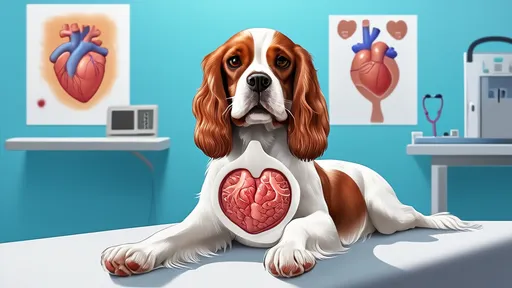
In the world of purebred dogs, few conditions are as intimately linked to a specific breed as mitral valve disease is to the Cavalier King Charles Spaniel. For owners and breeders of these affectionate companions, the term MVD is not merely a veterinary acronym; it is a specter that looms over the breed's future, a central concern in every conversation about health and longevity. The connection is so profound that to speak of one is to inevitably invoke the other, creating a narrative of both deep affection and profound concern within the community.
Pet

Intervertebral Disc Disease (IVDD) in Dachshunds and Daily Care

By /Aug 20, 2025

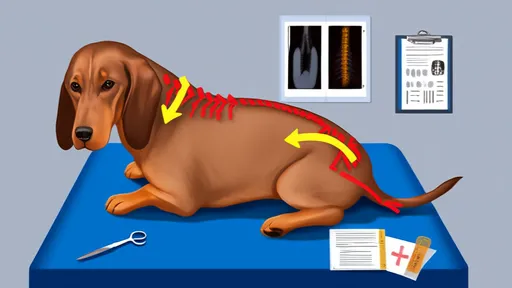
Dachshunds, with their distinctive long bodies and short legs, are among the most beloved and recognizable dog breeds worldwide. Their unique physique, however, comes with a significant health consideration: a predisposition to Intervertebral Disc Disease, commonly referred to as IVDD. This condition is a serious and often painful degeneration of the spinal discs that can lead to severe mobility issues and, in worst-case scenarios, paralysis. For any dachshund owner, understanding this disease is not merely an academic exercise; it is a fundamental aspect of responsible pet ownership, crucial for ensuring a long, happy, and comfortable life for their furry companion.
Pet

Preventive Measures for Gastric Dilation-Volvulus (GDV) in Great Danes and Other Giant Breeds

By /Aug 20, 2025

Gastric Dilatation-Volvulus, commonly known as GDV or bloat, is a life-threatening condition that predominantly affects large and giant breed dogs, with Great Danes being among the most susceptible. This acute medical emergency occurs when the stomach fills with gas and subsequently twists upon itself, trapping the gas and cutting off blood flow. The consequences are rapid and severe, leading to shock, tissue death, and without immediate surgical intervention, death. For owners of these majestic giants, understanding and implementing preventative strategies is not merely a recommendation; it is a critical component of responsible ownership. The sheer size and deep chests of breeds like the Great Dane, Irish Wolfhound, and Saint Bernard create a perfect anatomical storm for this condition, making proactive measures essential for their longevity and well-being.
Pet

A Comprehensive Explanation of Brachycephalic Airway Syndrome in Bulldog Breeds

By /Aug 20, 2025

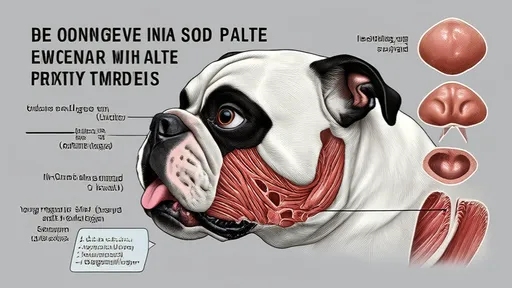
Brachycephalic airway syndrome represents one of the most significant and unfortunately common health challenges faced by bulldog breeds today. This complex condition, stemming directly from the very physical traits that make these dogs so visually distinctive, involves a constellation of anatomical abnormalities that collectively obstruct normal breathing. For owners and breeders, understanding this syndrome is not merely an academic exercise; it is fundamental to ensuring the welfare and quality of life of these beloved companions. The shortened skull and pushed-in face, while breed-defining, come at a steep physiological cost, creating a lifelong struggle for air that defines the daily existence of many affected dogs.
Pet

The Ancient Roman Origin and Development of Rottweilers

By /Aug 20, 2025

The history of the Rottweiler is a journey that begins in the shadow of the Roman legions, a tale woven into the fabric of ancient empires and the practical needs of conquest. This is not merely the story of a breed's development, but a chronicle of a working partnership between man and dog that has endured for millennia, adapting to the collapse of civilizations and the shifting demands of human society.
Pet

Dalmatian (Spotted Dog) Carriage Guard Dog History

By /Aug 20, 2025

The Dalmatian, with its distinctive spotted coat and regal bearing, is a breed steeped in a unique and functional history far removed from its modern identity as a beloved family companion. While often recognized from film and firehouse mascot duties, its true historical calling was one of grit, endurance, and indispensable service. For centuries, this elegant dog was not merely a decorative passenger but a highly specialized working partner, an integral component of the elaborate system of horse-drawn travel. Its role was that of a carriage dog, a protector, and a symbol of status, running tirelessly alongside coaches and guarding their precious contents with a vigilant and courageous heart.
Pet

The Wrinkles of Pugs: Aesthetic Preferences at the Expense of Health

By /Aug 20, 2025

The Pug, with its soulful eyes and deeply wrinkled brow, has long held a place in the hearts of dog lovers. Its visage is one of perpetual concern, a comical and endearing mask that has been celebrated in art, film, and advertising for centuries. This distinct appearance, however, is not a benign quirk of nature but the direct result of intense selective breeding. The very wrinkles that define the breed's charm are, in a cruel twist, a significant source of discomfort and a gateway to a host of serious health problems. The story of the Pug's skin is a powerful case study in how human aesthetic preferences can inadvertently engineer suffering into a living creature.
Pet

The Legend of Turkish Van Cats: Originating from Noah's Ark

By /Aug 20, 2025

In the rich tapestry of feline lore, few stories are as enchanting or as deeply woven into cultural mythology as the origin of the Turkish Van cat. This majestic breed, known for its striking white coat and captivating heterochromatic eyes, carries with it a legend as old as time itself—a tale set aboard the most famous vessel in biblical history: Noah's Ark.
Pet

Pekingese: From the Forbidden City to the World's Divine Dogs

By /Aug 20, 2025

The Forbidden City’s silent courtyards and vermilion walls have witnessed centuries of imperial drama, but perhaps none of its former residents have captured the world’s imagination quite like a small, lion-like dog with a flat face and a profound attitude—the Pekingese. This is not merely the story of a breed; it is a saga of divinity, imperial privilege, survival, and global conquest, all contained within a package seldom weighing over fourteen pounds.
Pet

Siberian Husky's Arctic Work History

By /Aug 20, 2025

The Siberian Husky, with its piercing blue eyes and wolf-like appearance, is far more than a striking companion animal. Beneath that charismatic exterior lies a legacy forged in ice, a history written in the relentless winds of the Arctic. This is not merely the story of a breed, but the chronicle of a partnership between humans and dogs that conquered one of the most unforgiving environments on Earth, a partnership built on endurance, intelligence, and an unbreakable spirit.
Pet

The Origin of Poodles: A Glamorous Transformation from Water Retrievers

By /Aug 20, 2025

In the tapestry of canine history, few breeds boast a transformation as dramatic and visually striking as that of the Poodle. To the modern eye, the Poodle, particularly in its most elaborate continental clip, is the very epitome of aristocratic refinement, a creature of the salon rather than the field. Its meticulously coiffed appearance, often dyed in fanciful colors, suggests a life of luxury and pampered idleness. This perception, however, is a grand illusion, a magnificent facade built upon a foundation of rugged utility and exceptional athleticism. The true origin of the Poodle lies not on the velvet cushions of a Parisian apartment but in the cold, murky waters of European marshes and lakes, where it was once one of the most capable and revered water retrievers the hunting world has ever known.
Pet

Cultural Symbolism of the Akita Inu and the Story of the Loyal Hachiko

By /Aug 20, 2025

The Akita dog stands as one of Japan's most revered cultural symbols, embodying a legacy that intertwines with the nation's history, spirituality, and social values. Originating from the snowy, mountainous regions of Akita Prefecture in northern Japan, these powerful, dignified dogs were initially bred for hunting large game such as bears, boars, and deer. Their strength, courage, and resilience made them indispensable companions to the matagi, the traditional winter hunters of the region. Over centuries, the Akita's role evolved from a skilled hunter to a loyal guardian, a transition that mirrored changes in Japanese society itself. The breed's physical characteristics—a robust build, thick double coat, and curled tail—are not merely aesthetic but are adaptations to the harsh climates of their homeland, symbols of endurance and natural elegance.
Pet

The History of Egyptian Cats: From Pharaoh Worship to Modern Domestic Cats

By /Aug 20, 2025

The history of the Egyptian cat is a tapestry woven with threads of divinity, mystery, and enduring companionship. These elegant creatures, with their lithe bodies and enigmatic eyes, have journeyed from the sacred halls of ancient temples to the sunlit windowsills of modern homes, their story inextricably linked with the very soul of human civilization along the Nile.
Pet

The Rise and Fall of the Tibetan Mastiff Myth: A Breed's History of Ascendancy and Decline

By /Aug 20, 2025

In the mist-shrouded highlands of Tibet, where the air thins and the mountains pierce the heavens, a legend was born. It was not a legend of gods or demons, but of a dog—a massive, lion-maned beast said to possess the strength to battle snow leopards and the loyalty to guard entire monasteries alone. This was the Tibetan Mastiff, a creature that would, centuries later, be catapulted from its sacred, isolated home into a whirlwind of global obsession, only to be cast aside when the myth inevitably shattered. Its story is not merely about the fluctuation of an animal's popularity; it is a profound parable of human desire, cultural appropriation, and the brutal economics of turning a living being into a status symbol.