The Dalmatian, with its distinctive spotted coat and regal bearing, is a breed steeped in a unique and functional history far removed from its modern identity as a beloved family companion. While often recognized from film and firehouse mascot duties, its true historical calling was one of grit, endurance, and indispensable service. For centuries, this elegant dog was not merely a decorative passenger but a highly specialized working partner, an integral component of the elaborate system of horse-drawn travel. Its role was that of a carriage dog, a protector, and a symbol of status, running tirelessly alongside coaches and guarding their precious contents with a vigilant and courageous heart.
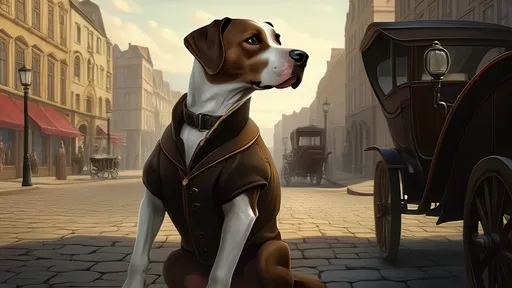
The origins of the Dalmatian are somewhat shrouded in mystery, with theories placing its genesis in various regions, including a historical province of Croatia called Dalmatia, from which it takes its name. Ancient artifacts and writings hint at spotted dogs accompanying Roman chariots and gypsy caravans across Europe. However, it was in Great Britain during the 18th and 19th centuries that the breed’s destiny became inextricably linked with the horse and carriage. The British aristocracy, with their love for fine horseflesh and elaborate equipages, recognized in the Dalmatian a set of innate traits perfectly suited to the demands of the road.
The primary and most practical function of the Dalmatian was that of a guardian. A coach, especially one belonging to a wealthy family, was a tempting target for highwaymen. The presence of a large, alert, and formidable-looking dog trotting alongside acted as a powerful deterrent. The breed’s natural wariness of strangers and deep, resonant bark served as an excellent early warning system. More than just a visual scare tactic, these dogs were known for their courage and would not hesitate to defend their charges, the horses, the coachman, and the vehicle itself from any perceived threat. They were the silent, four-legged sentinels of the aristocracy.
Beyond protection, the Dalmatian served a vital role as a clear-path runner and stabilizer for the team. Before a coach departed, the dog would often run ahead, its presence helping to clear livestock or pedestrians from the path, preventing delays and potential accidents. Once the coach was in motion, the dog would settle into a steady, ground-eating trot alongside the wheel horses. This position was not random; the Dalmatian’s close proximity helped to calm and guide the high-strung horses often used for such travel. There exists a well-documented, almost mystical affinity between the breed and horses. The dogs seem to understand and relate to them in a way few other breeds do, a trait that made them utterly invaluable to their human masters.
This symbiosis was perhaps most spectacularly displayed in the role of the fire carriage dog. Before the advent of motorized fire engines, firefighting was conducted with hand-pumped engines pulled by teams of powerful, frantic horses. The chaos of a fire call—the loud alarm, the hurried harnessing, the thunderous gallop through crowded streets—required immense control. Dalmatians were adopted by firehouses for this very purpose. They would run alongside the galloping team, barking to command right-of-way. Upon arrival at the scene, their job was not over. They would guard the expensive, vital equipment on the wagon from thieves and curious onlookers and, most importantly, stand with and calm the horses, who were often left tethered and nervous amidst the roaring flames and commotion.
The aesthetic appeal of the Dalmatian undoubtedly contributed to its popularity. The striking contrast of its black or liver spots against a pure white coat made for a dazzling spectacle. For the wealthy, a matched pair of spotted dogs trotting in perfect unison beside a polished black lacquer coach was the ultimate symbol of prestige and refined taste. It was a moving display of opulence and power. The dogs were groomed to perfection, their coats gleaming, their posture proud. They were living accessories, but accessories with a vital purpose, blending unparalleled utility with breathtaking beauty.
The necessary temperament for this work was carefully cultivated. The ideal carriage dog was not a pet in the modern sense. It required immense stamina to run for miles without tiring, a sturdy constitution to withstand all weather, and a confident, independent mind capable of making split-second decisions without direct command. They needed to be resilient, tough, and possess a strong protective instinct, yet be steady and reliable around the horses and familiar people. This combination of physical and mental fortitude defined the working Dalmatian for generations.
The inevitable decline of the horse-drawn carriage at the dawn of the 20th century posed an existential threat to the Dalmatian breed. Their raison d'être vanished almost overnight as automobiles replaced equine power. For a time, their numbers dwindled as the world no longer had a practical need for their specific skill set. However, their intelligence, striking appearance, and loyal nature ensured their survival. They found a new, albeit different, purpose as firehouse mascots, a tradition that honorably continues today, and gradually transitioned into the home as companions.
This transition from a working life to a domestic one has not been without its challenges. The very traits that made them exceptional carriage dogs—their high energy, intelligence, and independent streak—can be misunderstood in a suburban home without proper outlet. They require significant physical exercise and mental stimulation to prevent boredom and destructive behaviors. Understanding their history is key to understanding the dog itself; they are not couch potatoes by design but athletes by centuries of selective breeding.
The legacy of the Dalmatian as a carriage dog is etched into its very being. It is more than a historical footnote; it is the blueprint for the breed's character. That deep-seated need to run, to have a job, to protect its family, and its often-remarked-upon affinity for horses are all living echoes of its past. When one sees a Dalmatian effortlessly matching pace with a bicycle or jogger, or standing watch over its home with a vigilant eye, they are witnessing the ghost of the brave and loyal guardian that once cleared the path for nobility and guarded the fireman’s rig. The spots tell a story of fashion, but the soul within tells a story of unwavering duty, endurance, and a timeless partnership between dog, horse, and human.
By /Aug 20, 2025
By /Aug 20, 2025
By /Aug 20, 2025

By /Aug 20, 2025

By /Aug 20, 2025
By /Aug 20, 2025

By /Aug 20, 2025
By /Aug 20, 2025
By /Aug 20, 2025
By /Aug 20, 2025
By /Aug 20, 2025
By /Aug 20, 2025
By /Aug 20, 2025
By /Aug 20, 2025
By /Aug 20, 2025

By /Aug 20, 2025
By /Aug 20, 2025

By /Aug 20, 2025

By /Aug 20, 2025
By /Aug 20, 2025
